
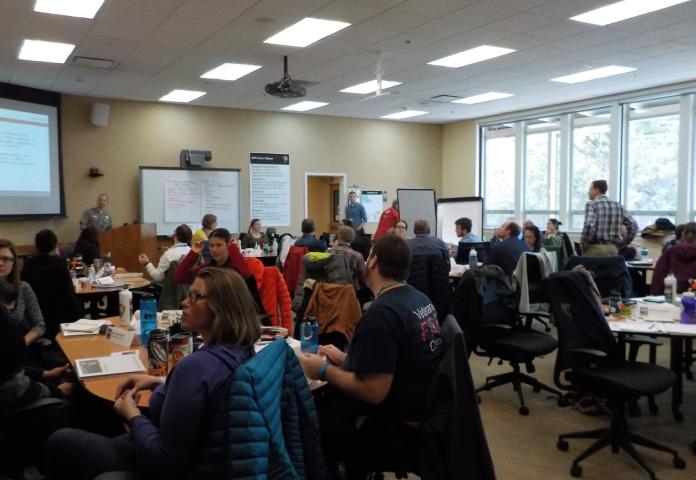
In today’s rapidly evolving business landscape, the importance of a well-trained workforce cannot be overstated. At the heart of this crucial task are Training Specialists, professionals dedicated to ensuring employees are equipped with the skills and knowledge necessary to excel in their roles. This article explores the multifaceted role of Training Training Specialist Specialists and the impact they have on modern workforce development.
Understanding the Role of a Training Specialist
A Training Specialist is responsible for designing, implementing, and evaluating training programs within an organization. Their primary goal is to enhance the performance and productivity of employees through targeted learning initiatives. This role requires a deep understanding of the company’s objectives, as well as the individual needs of its employees.
Key Responsibilities
- Needs Assessment: Training Specialists begin by conducting thorough assessments to identify the training needs of an organization. This involves analyzing job requirements, employee skills, and overall company goals.
- Program Design: Based on the needs assessment, Training Specialists develop customized training programs. These programs can range from new employee onboarding to ongoing professional development and skill enhancement.
- Delivery of Training: Training Specialists utilize various methods to deliver training, including in-person workshops, online courses, and interactive e-learning modules. They must be adept at using technology to create engaging and effective learning experiences.
- Evaluation and Feedback: After implementing training programs, Training Specialists assess their effectiveness through feedback and performance metrics. This continuous evaluation helps refine future training efforts and ensures they align with organizational goals.
The Impact of Effective Training
Effective training programs lead to numerous benefits for both employees and organizations:
- Enhanced Employee Performance: Well-trained employees are more competent and confident in their roles, leading to increased productivity and job satisfaction.
- Improved Retention Rates: Companies that invest in employee development tend to have higher retention rates. Employees are more likely to stay with an organization that values their growth and provides opportunities for advancement.
- Adaptability to Change: In today’s fast-paced business environment, the ability to adapt to change is crucial. Training Specialists help employees stay current with new technologies and industry trends, ensuring the organization remains competitive.
- Consistent Standards: Training programs ensure that all employees have a consistent understanding of company policies, procedures, and expectations. This uniformity is essential for maintaining quality and compliance.
Embracing Technology in Training
The rise of digital technologies has transformed the field of training and development. Training Specialists now have access to a wide array of tools and platforms that make learning more accessible and engaging. Virtual reality (VR), augmented reality (AR), and artificial intelligence (AI) are just a few examples of technologies that are being integrated into training programs.
Best Practices for Training Specialists
To be effective, Training Specialists should follow these best practices:
- Continuous Learning: The field of training and development is always evolving. Training Specialists must stay updated with the latest trends and techniques to remain effective in their roles.
- Engagement and Interaction: Training programs should be interactive and engaging to hold employees’ attention and facilitate better learning outcomes.
- Customization: Tailoring training programs to meet the specific needs of the organization and its employees is key to their success.
- Measurement and Improvement: Regularly measuring the effectiveness of training programs and making necessary adjustments ensures they continue to meet organizational goals.
Conclusion
Training Specialists play a pivotal role in shaping the success of an organization by developing its most valuable asset: its people. Through strategic training initiatives, they enhance employee performance, foster a culture of continuous learning, and ensure the organization can adapt to the ever-changing business landscape. As technology continues to advance, the role of the Training Specialist will only become more integral to workforce development and organizational success.