In recent years, the field of synthetic biology has witnessed an exponential growth, with the global custom dna synthesis market projected to reach over $5 billion by 2026. This staggering figure underscores not only the technological advancements in genetic engineering but also raises critical questions regarding the legal and regulatory frameworks governing these practices.
The Nature of Custom DNA Synthesis and Its Legal Attributes
Custom DNA synthesis refers to the artificial creation of specific sequences of nucleotides that can be used for various applications ranging from research to therapeutic development. The legal attributes surrounding this technology are complex and multifaceted. Generally, custom DNA synthesis operates within a framework influenced by intellectual property laws, bioethics considerations, and safety regulations. Importantly, while many countries have established guidelines for biotechnological innovations, there remains significant variability in how legality is interpreted across different jurisdictions.
Legal Considerations Surrounding Custom Oligo Synthesis
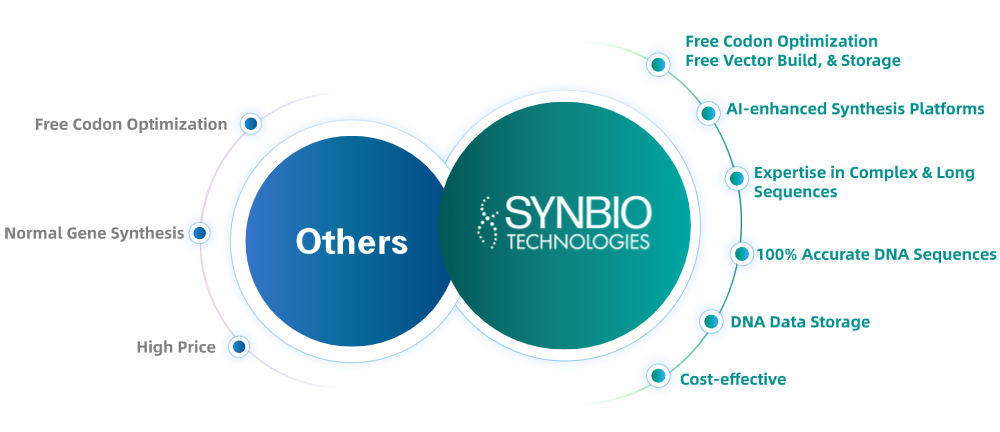
custom oligo synthesis represents a subset of custom DNA synthesis focused on creating short strands of nucleic acids known as oligonucleotides. Legally speaking, this area is subject to stringent regulations due to its potential applications in gene editing technologies such as CRISPR-Cas9. Regulatory bodies like the FDA (Food and Drug Administration) in the United States impose strict guidelines concerning their use in clinical settings or commercial products. Furthermore, issues related to patent rights often arise when proprietary sequences are synthesized without appropriate licensing agreements—highlighting ongoing debates about ownership and ethical usage.
The Legal Characteristics of Synthetic Biology (Synbio)
Synthetic biology encompasses a broader spectrum than just custom DNA synthesis; it includes designing new biological parts or systems that do not exist naturally. The legality surrounding Synbio involves navigating through environmental regulations aimed at preventing ecological harm caused by genetically modified organisms (GMOs). Additionally, international treaties such as the Cartagena Protocol on Biosafety provide frameworks for regulating transboundary movements of GMOs derived from synthetic biology techniques. As such developments continue apace, lawmakers face challenges balancing innovation with public safety concerns.
Conclusion
In summary, while custom DNA synthesis presents remarkable opportunities for scientific advancement and medical breakthroughs, its legal landscape remains intricate and evolving. From intellectual property rights associated with custom oligo production to broader implications under synthetic biology legislation—understanding these legal dimensions is crucial for researchers and practitioners alike who navigate this dynamic field responsibly.