
Introduction — Why this matters
Have you ever wondered why two people can use the same device and get very different results? I ask because the market now swarms with promises, and the reality is not always simple. The best red light therapy bed can help with muscle recovery, skin tone, and energy — but numbers and specs often hide the real story. Recent surveys show many users stop after a few sessions (about 30–40% drop-off), which makes me ask: are we buying hope or real performance? I will walk you through what I’ve learned, step by step, and keep things clear and polite — like a friend explaining gear at a cafe. Now, let’s move into what usually goes unseen and why it matters for whole-body therapy.
Deeper issues: Traditional solution flaws and hidden user pain points
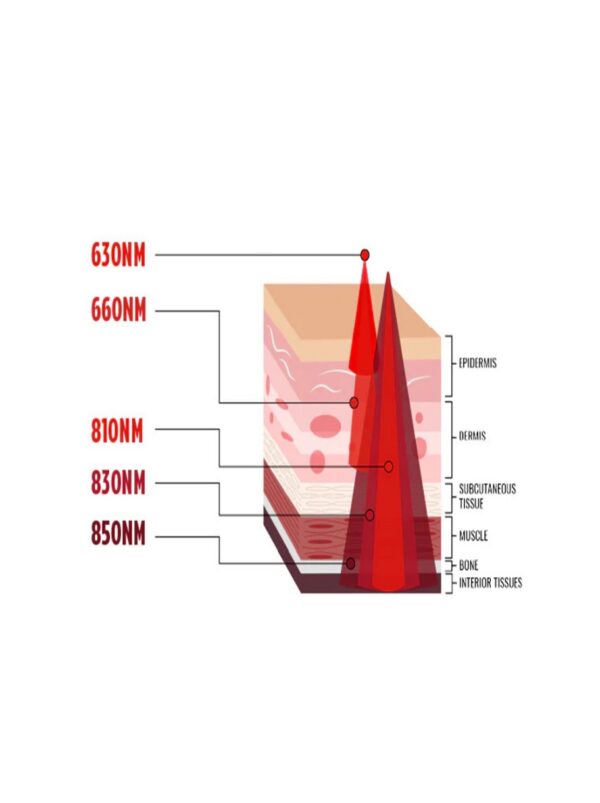
red light therapy for whole body often promises uniform coverage, but the truth is more complex. I’ve tested panels and beds, and I see two recurring problems: uneven irradiance and mismatched wavelengths. When LED arrays are arranged poorly, some areas get strong light while others get barely any. That changes results. Also, many systems use mixed wavelengths without clear rationale — 630 nm versus 660 nm matters for penetration and photobiomodulation. Look, it’s simpler than you think: if you treat a back and the center gets high power density but the edges do not, the patient feels cheated. This is where design flaws meet real user frustration — and it shows in follow-up rates.
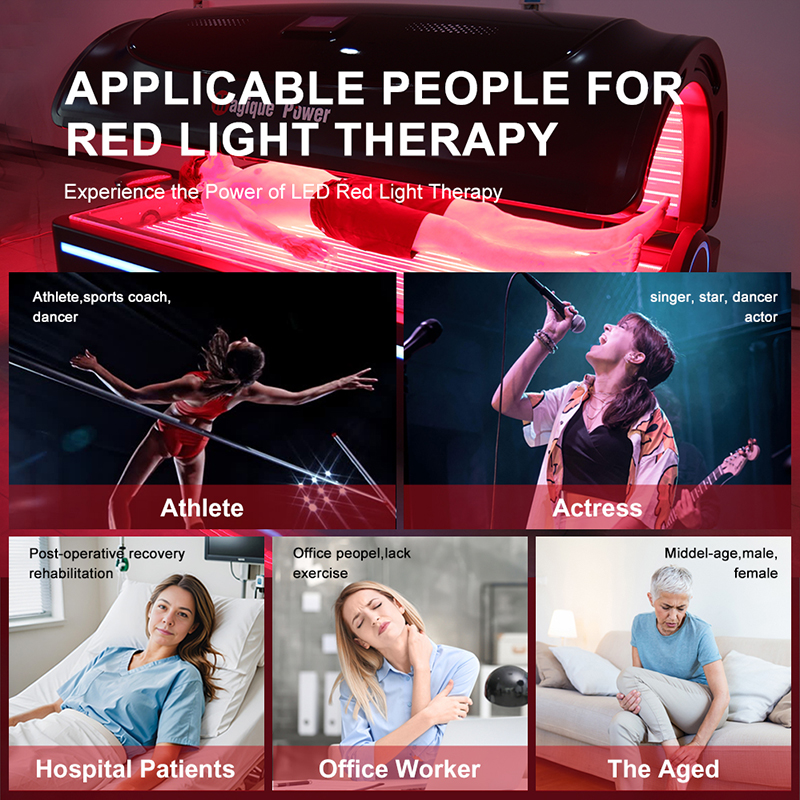
Another hidden pain point is the user experience. Sessions should feel simple. Instead, I often see confusing controls, unclear treatment timing, and no guidance on pulse modulation or power converters that affect stability. People worry about safety too. They want clear limits and consistent output. I felt this myself when I started using beds: the learning curve can be steep, and that makes people quit early — funny how that works, right? Manufacturers focus on specs, but users care about results and ease. So the gap is both technical and human.
What’s often missed?
Do we measure only peak wattage and ignore real delivered dose? Many do. I recommend asking for irradiance maps, not just a label. If a brand can’t show a clear map of outputs across the whole panel, that is a red flag. Again — it’s about real use, not marketing words.
Looking forward: Future outlook and practical choices
I believe the next wave of devices will fix many of the problems above. For whole sessions, improved LED layout and smarter thermal control will matter. Devices that use calibrated LED arrays and clear wavelength selection will give more reliable photobiomodulation. Also, expect better user interfaces that guide session time and intensity. I’ve seen early prototypes that log usage and adjust pulse modulation automatically; that makes consistency possible. These are not distant ideas — some companies already test them in clinics. For anyone choosing a system today, think less about flashy claims and more about how the machine manages power density and heat. — small changes, big effects.
red light therapy for whole body will benefit from standards too. If manufacturers publish true dose maps and real session guidance, clients stay longer and outcomes improve. I like to compare beds side by side, looking at wavelengths, irradiance uniformity, and real user flow. That helps me advise clinics and friends. And yes, cost matters — but I prefer to weigh long-term results over low upfront price. What’s next? Better measurement, clearer user paths, and a shift from selling specs to delivering outcomes.
Practical closing advice — How I evaluate a bed
To finish with three concrete metrics I always use: 1) Uniformity of irradiance across the surface (ask for a map), 2) Verified wavelength clarity (prefer stable 630–660 nm bands for combined effects), and 3) Usability and safety features (timers, thermal management, and clear UI). If a unit scores well on these, it will likely deliver consistent whole-body benefits. I’ve learned to trust those indicators after hands-on tests and user feedback. Give them weight in your decision — not just glossy photos. At the end, practical performance wins over promises. For reliable solutions and more technical support, I recommend looking at offerings from Magique Power.