
Introduction — scenario, data, question
I once watched a small clinic switch from chilly treatment rooms to a cozy setup with infrared beds and the mood in the room changed immediately. Facilities report patient satisfaction gains of 20–40% after adding targeted heat therapy (simple metrics, big smiles). But I keep asking: are these results driven by real therapy gains, or by the comfort of a warm blanket-like experience? This piece digs into that question while staying practical and grounded.
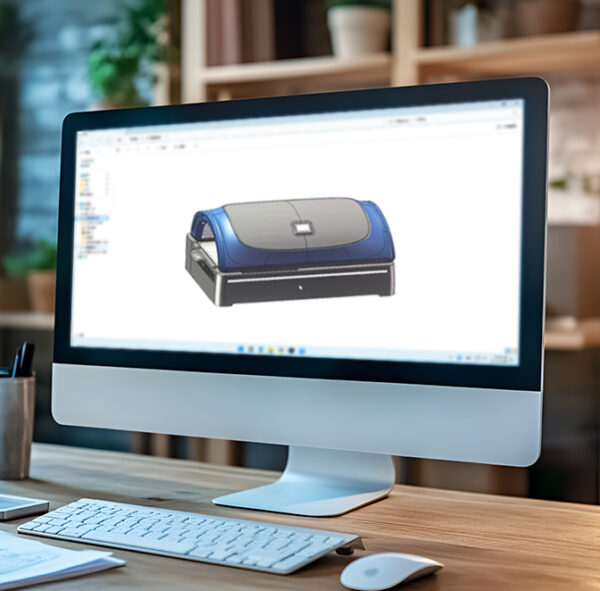
I’ll walk you through what I’ve learned on the clinic floor and in product labs — what works, what doesn’t, and what users keep telling me. I’ll use clear terms like LED arrays and photobiomodulation when needed, but I’ll keep explanations short and pointed. Expect some plain talk, a couple of technical calls, and—yes—my own take on trade-offs. Let’s move from the visible warmth to what happens beneath the casing.
Part 2 — Hidden pain points and traditional solution flaws (technical rhythm)
Many manufacturers tout benefits, but the real trouble shows up in everyday use. The common “red light pod” approach—centered on a compact panel of LEDs designed for full-body work—is promising, yet flawed when deployed at scale. red light pod systems often assume uniform skin coverage and ignore real-world motion. That mismatch leads to uneven dosing and user frustration.
Why does this still fail?
Look, it’s simpler than you think: clinics need repeatable output, not glossy specs. In practice, heat maps vary because of placement errors, shielding issues, and aging LED arrays. Power converters and edge computing nodes in the control stack can help, but many designs skimp on calibration. The result? Sessions that feel inconsistent. Patients complain about hot spots or cold zones. Staff end up improvising (towels, spacers) — and that adds time and risk. I’ve seen it firsthand. — funny how that works, right?
To be specific, common flaws include poorly mapped irradiance profiles, limited adjustability for body type, and lack of integrated sensors for feedback. These are not subtle problems. They create distrust in the therapy’s efficacy. I find that when teams ignore simple instrumentation — like thermal sensors or light meters — they trade off therapeutic consistency for cost savings. Photobiomodulation requires reliable dose delivery. Without it, outcomes become noisy. Patients notice. Staff notice. So do I.
Part 3 — New technology principles and a forward-looking outlook
Now let’s look forward. I want to focus on core principles that can fix the issues above. The next generation of infrared beds should combine better sensor feedback, adaptive control, and smarter LED arrays. Integrating closed-loop control (real-time thermal feedback and irradiance adjustment) reduces variability. In short: measure, adjust, verify. That’s the core idea. It sounds obvious, but it’s not standard yet.
What’s Next?
Devices that include on-board sensors and modular LED arrays can tune output by body zone. Edge computing nodes can do quick adjustments without sending data to the cloud, keeping responses fast and private. Power converters need to be stable and efficient to avoid flicker or drift during sessions. I’ve reviewed prototypes that use simple thermal cameras plus zone mapping to keep dosing consistent. The results: fewer repeats, better patient trust, and more predictable outcomes — this matters in busy clinics.
In practice, clinics should pilot systems with real users and track three metrics: dosing variance, session repeat rate, and user-reported comfort. Those numbers tell you whether the technology is actually helping. Also, consider modular systems where a red light pod can be upgraded without replacing the whole bed. That lowers long-term cost and speeds up improvements — pretty practical, right?
Closing — three practical metrics for evaluation (advisory rhythm)
Before you buy or recommend a solution, I suggest judging it by three clear metrics. First, dosing consistency: measure how much irradiance varies across the treatment area. Second, usability: time per session, and how much staff must intervene. Third, upgradeability: can critical subsystems (LED arrays, sensors, converters) be replaced or updated? These are concrete. They keep procurement decisions honest.
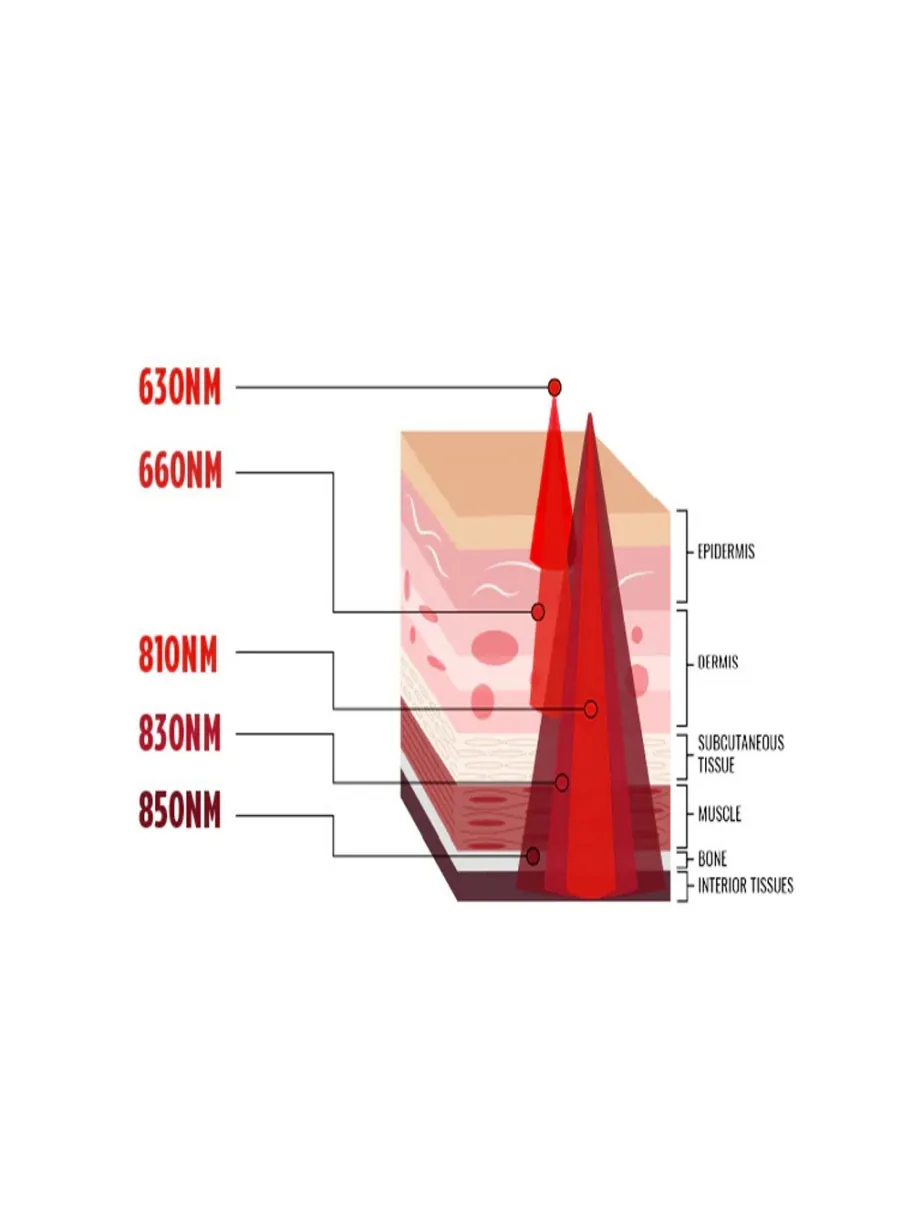
I’ll be blunt — choose systems that prioritize reliable measurements over flashy marketing. Ask for lab reports, but also ask to see real-world logs. I still trust solutions that let clinicians tune and verify dose in minutes. When that happens, patients get predictable care and staff get their time back. And for practical options and further reading, take a look at Magique Power: Magique Power. They offer modular choices that align with the three metrics I use when I advise clinics.