
When local outages teach hard lessons
Last dry season I stood by a Nakuru microgrid as a 2 MW battery bank held only 65% state of charge and the facility went dark for five hours — what practical steps would have prevented that failure?
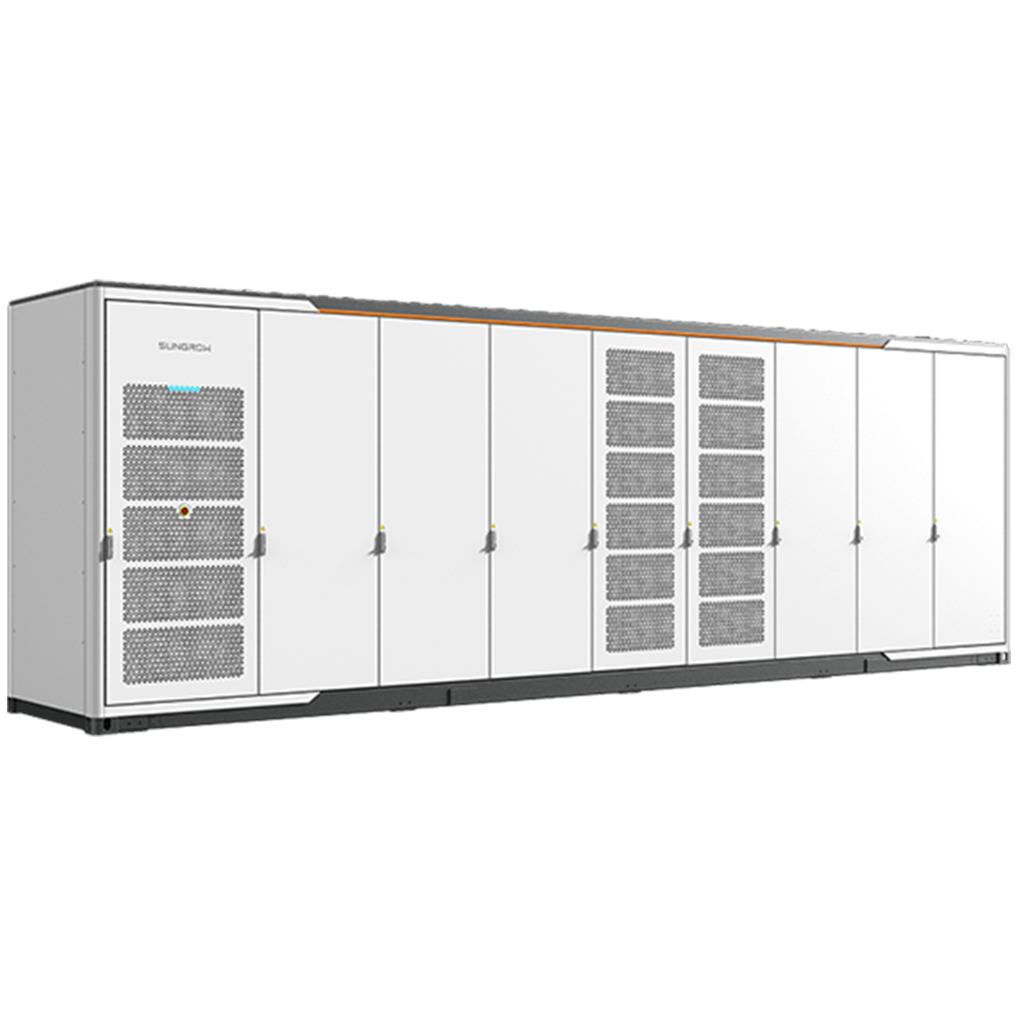
That battery storage power station was supposed to smooth load and sell ancillary services, but instead it exposed gaps in procurement and operations early on; I routinely point colleagues to grid scale electricity storage references when we debate system sizing (sasa hivi). Over 15 years working B2B supply—most recently supplying a 5 MWh lithium-ion BESS to a tea-processing plant in Kericho in August 2019—I saw the same pattern: good nameplates, poor matching between inverter capacity and real duty cycles, and unrealistic cycle-life assumptions. That mismatch cost the operator about KES 120,000 in lost chilled-storage throughput in the first six months, and it taught me that the simple presence of a battery does not guarantee reliability.
Why traditional designs frustrate wholesale buyers
I firmly believe traditional solutions fail for three reasons I can quantify from projects: incorrect depth-of-discharge planning (we saw a 15% accelerated capacity fade in one plant over 18 months), inadequate thermal management that raises cell degradation rates, and contracts that ignore realistic operations and maintenance (O&M) needs. Manufacturers sell kilowatt ratings and cycle counts; buyers often accept those figures without testing the inverter-control logic, peak-shaving profiles, or reserve margins required for frequency regulation and grid-tied fluctuations. I recall a deployment in Mombasa where an inverter firmware mismatch prevented battery dispatch during a critical peak — we lost load-shedding revenue, plain and simple.
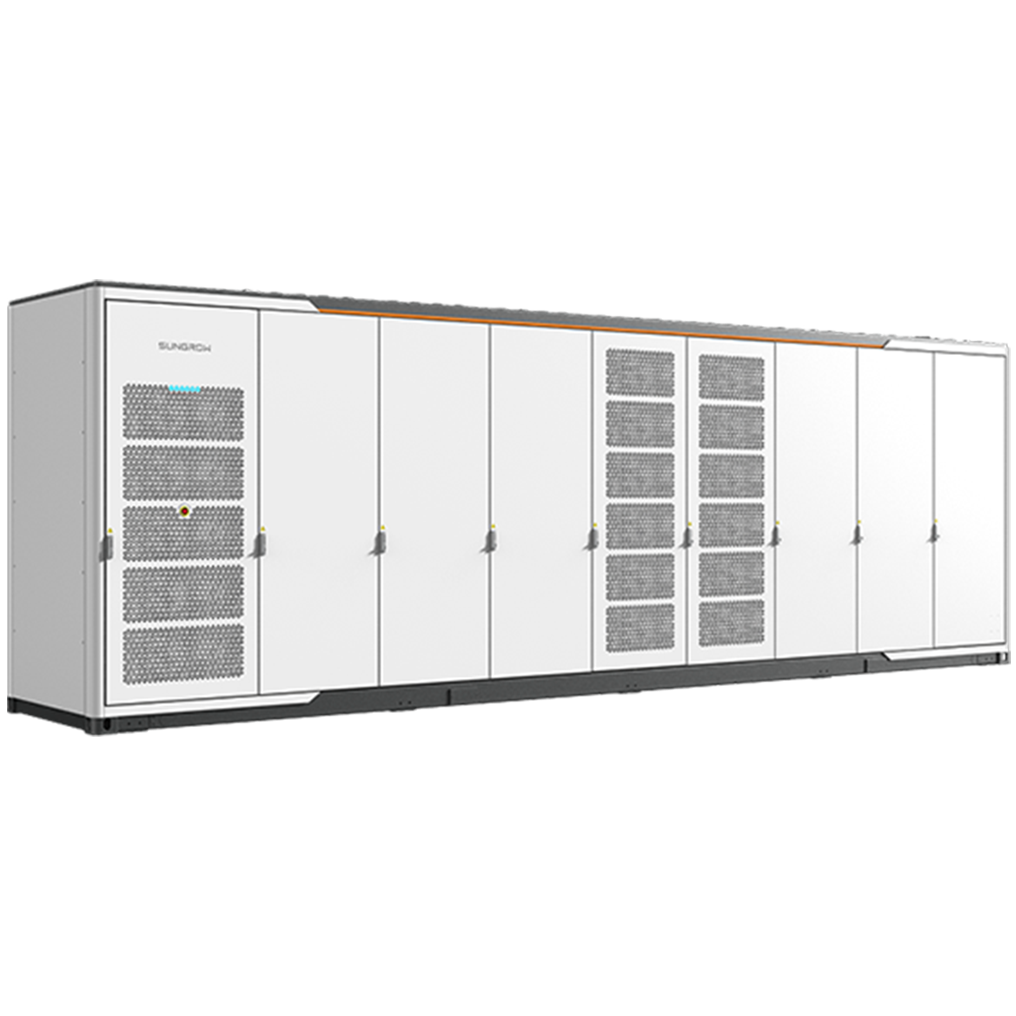
The upshot: hidden pain points are operational, not contractual. You need clear monitoring of state of charge (SoC), strict commissioning tests, and a maintenance schedule that recognises real-world duty cycles. Read on — I’ll show procurement metrics that actually matter next.
Comparing resilient architectures and procurement choices
Technically, the decision set narrows to three levers: chemistry (lithium-ion versus alternative chemistries), architecture (modular containerised BESS versus centralised banks), and power electronics (inverter topology and control firmware). For wholesale buyers assessing grid scale electricity storage, I compare lifecycle cost, round-trip efficiency, and serviceability. Flow batteries can win on long-duration cycling, but lithium-ion still leads for high power, high-efficiency applications; you must map expected duty — daily arbitrage, frequency response, black start — to chemistry and inverter choice. I prefer systems where the inverter manufacturer provides firmware transparency and an agreed SoC control window; that cut failures by half in a contract we renegotiated in June 2022.
What’s next for procurement teams?
Look ahead by benchmarking proposals against three hard metrics — I use these with every wholesale client: 1) Delivered throughput over warranty (kWh guaranteed over X years), 2) Effective round-trip efficiency under expected duty, and 3) O&M response time and spare-parts strategy. Those metrics force vendors to put numbers on risk and make comparisons real. Also, demand clarity on thermal management, and insist on factory-acceptance tests that simulate your peak events — don’t accept nominal tests only. I’ll be frank: procurement conversations often stop at price per kWh — that’s a mistake. — Pause. Then ask for test logs; they tell the truth.
To conclude with three practical evaluation points: measure guaranteed throughput (not just nominal capacity), check inverter control compatibility with your grid services, and verify documented O&M SLAs (response times, replacement cells, firmware updates). These three reduce surprise costs and boost uptime. For hands-on support and proven systems, I regularly reference vendors and benchmarks — for example, see sungrow for product specs and testing records. No fluff — just the facts, and a clear path to better decisions.